
Lessons from Prague: Teaching English Grammar Through Art

Because students deserve imagination, and not just worksheets.


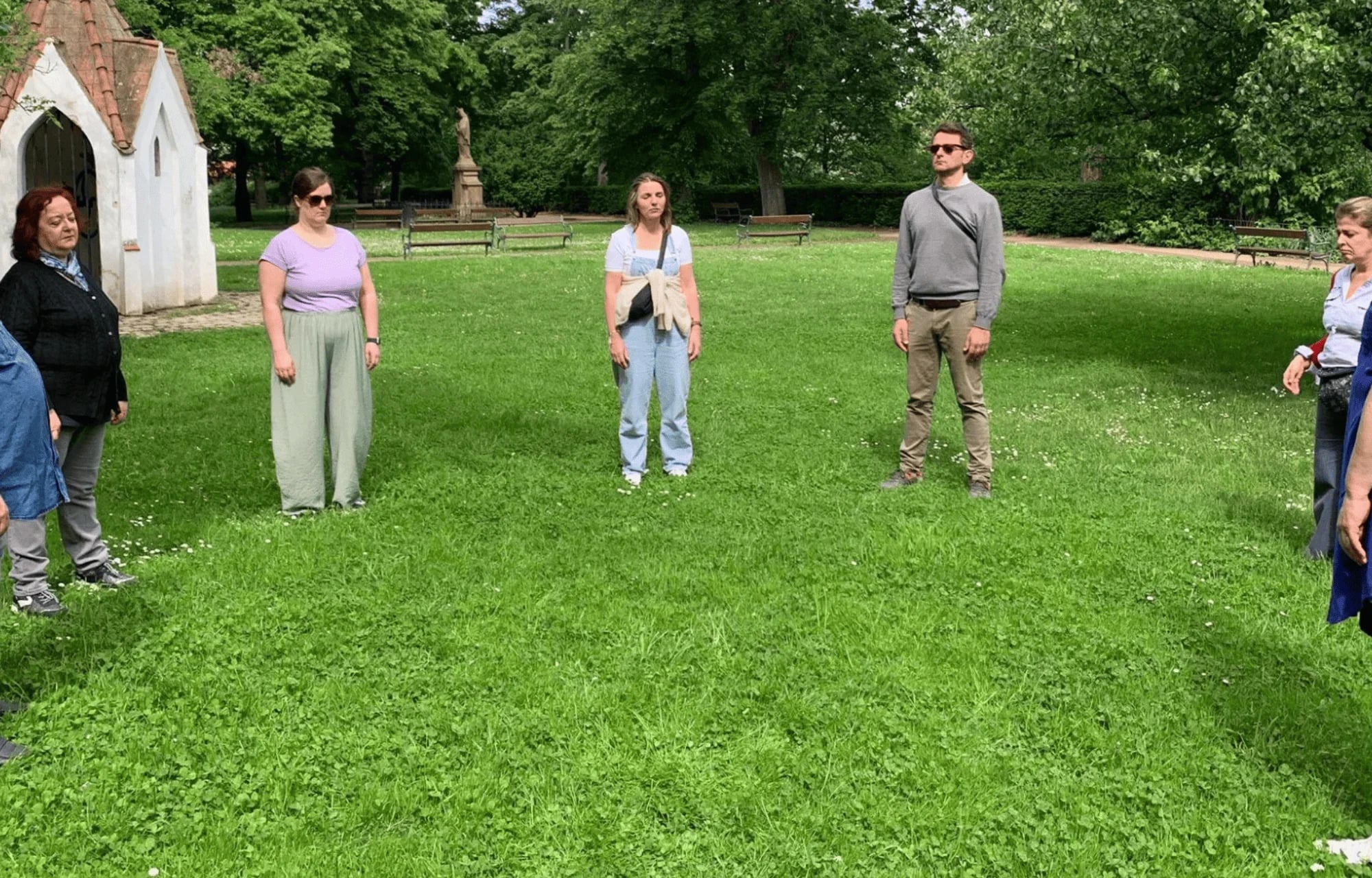
Students rarely fall in love with grammar. So here in Prague, we asked: can they? And this city solved it for us. It is full of art practically begging to be used to turn grammar into a blend of art and creativity.

The Activity: The Present Continuous Through Sculpture

Photograph statues and fountain figures around your city: anything mid-gesture, mid-fall, mid-dance. Hang the prints around the classroom. Students wander from image to image, sticking post-it notes with what they see happening on them: "She is reaching.", "He is about to fall." Someone always argues over whether a figure is running or escaping. The lesson is fun and alive.

Why It Works

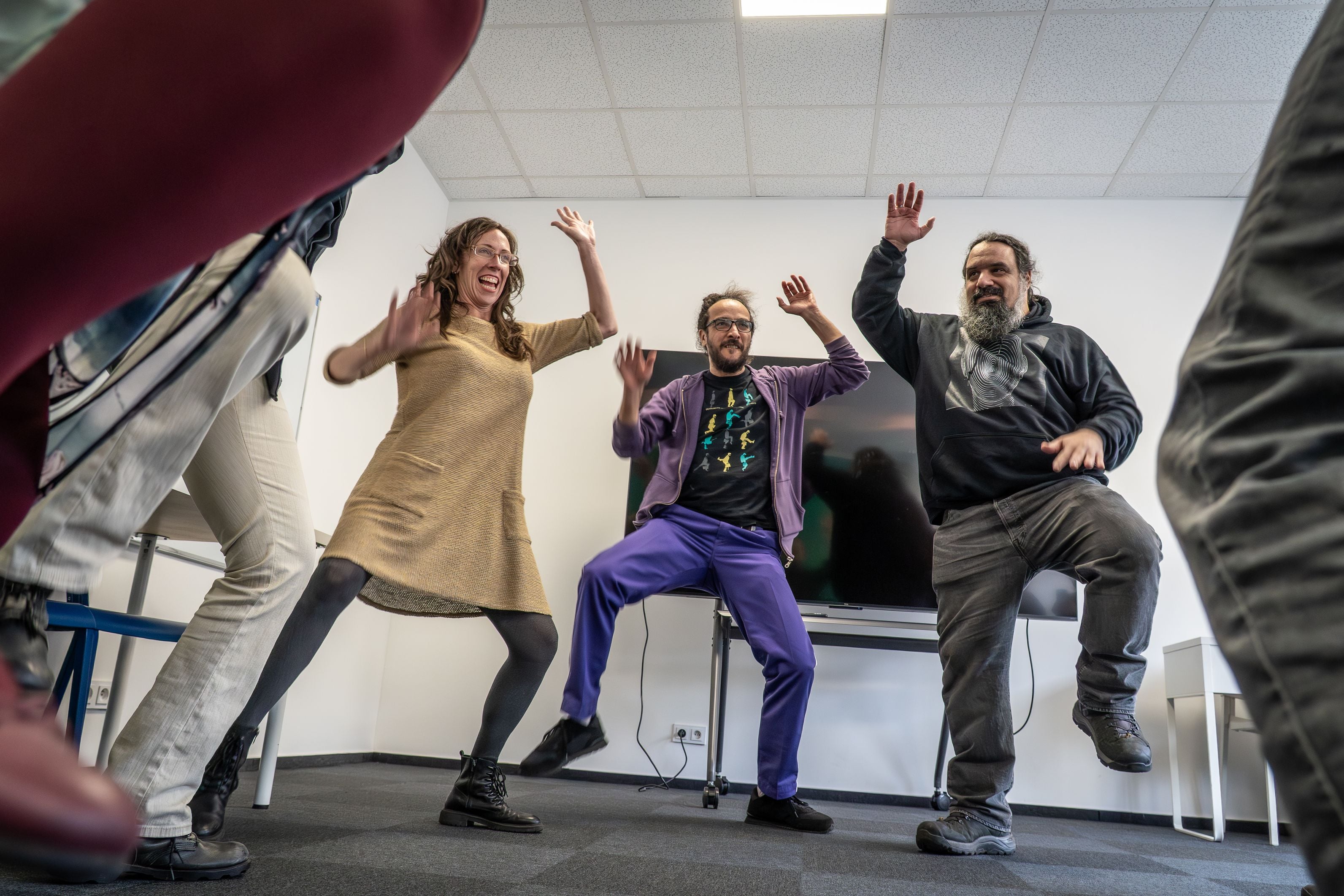
You’ll quickly see the benefits. As they move around the room, students read each other's notes. This is great for peer learning. This format also includes movement which is helpful especially to learners who hate traditional grammar work. And since they're describing real art from a town they know and love, the language point gets used in the moment, in context, and not just as an abstract rule.

Beyond Tenses

This concept, of course, isn't limited only to the present continuous, or even tenses. Swap in different art forms, such as paintings, photographs, or classroom objects, and the same format can be repeated or adapted to practice almost any grammar point. And here’s the best thing: for more outdoor time, you can turn this into an actual walk (or a treasure hunt)!

Why Prague?

We could teach this lesson with any photos, really, but Prague keeps making the case for itself. When you see the early morning mist rising off the Vltava river as the first tram crosses the bridge, Charles Bridge nearly empty before the crowds arrive and its baroque statues catching the first light, or the view from the Prague Castle at sunset, with red rooftops stretching toward the neighborhoods across the river, you realize we all have something to learn from a city like this.


Why I Keep a Pack of Cards on My Desk

It started as a backup plan. When my smartboard remote died mid-lesson, I grabbed the only thing on hand — a deck of cards. What was meant to buy me two minutes turned into one of the most engaged lessons I'd taught that week. The cards stayed on my desk after that.

Why It Works

Tactile Learning Supports Focus

Many students focus better with something to hold. The cards become a part of the lesson, hands stay busy, and the mind doesn't wander.

Cards Create Agency

Drawing a card means a student has to act, instead of just waiting to be called on. Even reluctant students join in, because the activity calls on them.

Friendly Competition Increases Motivation

A little friendly competition goes a long way. Low stakes, but just high enough to matter, are often enough to pull in the one student who's always zoning out.

Activities to Try

Question Cards

Display a set of questions on your smartboard and assign each one to a card. Students draw a card and answer the corresponding question. This creates an element of chance that keeps everyone engaged. You might also know this dopamine kick from your social media algorithms.

Feedback Cards

Do you ever find it difficult to make students listen proactively and give each other meaningful peer feedback? Try giving them cards representing agreement, disagreement, praise, or a request for more explanation. These can be used during discussions and presentations to encourage active listening and meaningful peer feedback.

Language Learning and Error Correction

Cards can help students give immediate feedback to one another. For example, learners might use specific cards to identify mistakes and suggest extensions. Like giving one student an ace and asking them to raise it every time their partner slips up. It is a fun, low-stress way to consolidate the rules of whatever you are trying to teach them.

Review and Test Prep

Turn revision into a game by allowing students to keep cards when they answer questions correctly. As the lesson progresses, students build their collection. The one with the most cards at the end wins.

Also, for you as the teacher, it is quite easy to see how every particular topic is doing. At the end, have a look at the cards that didn’t get picked up. Those are probably the topics you should review one more time with your students.

A deck of cards is inexpensive, easy to prepare, and adaptable to almost any subject. Try it once. Even your most checked out student might end up asking for one more round.


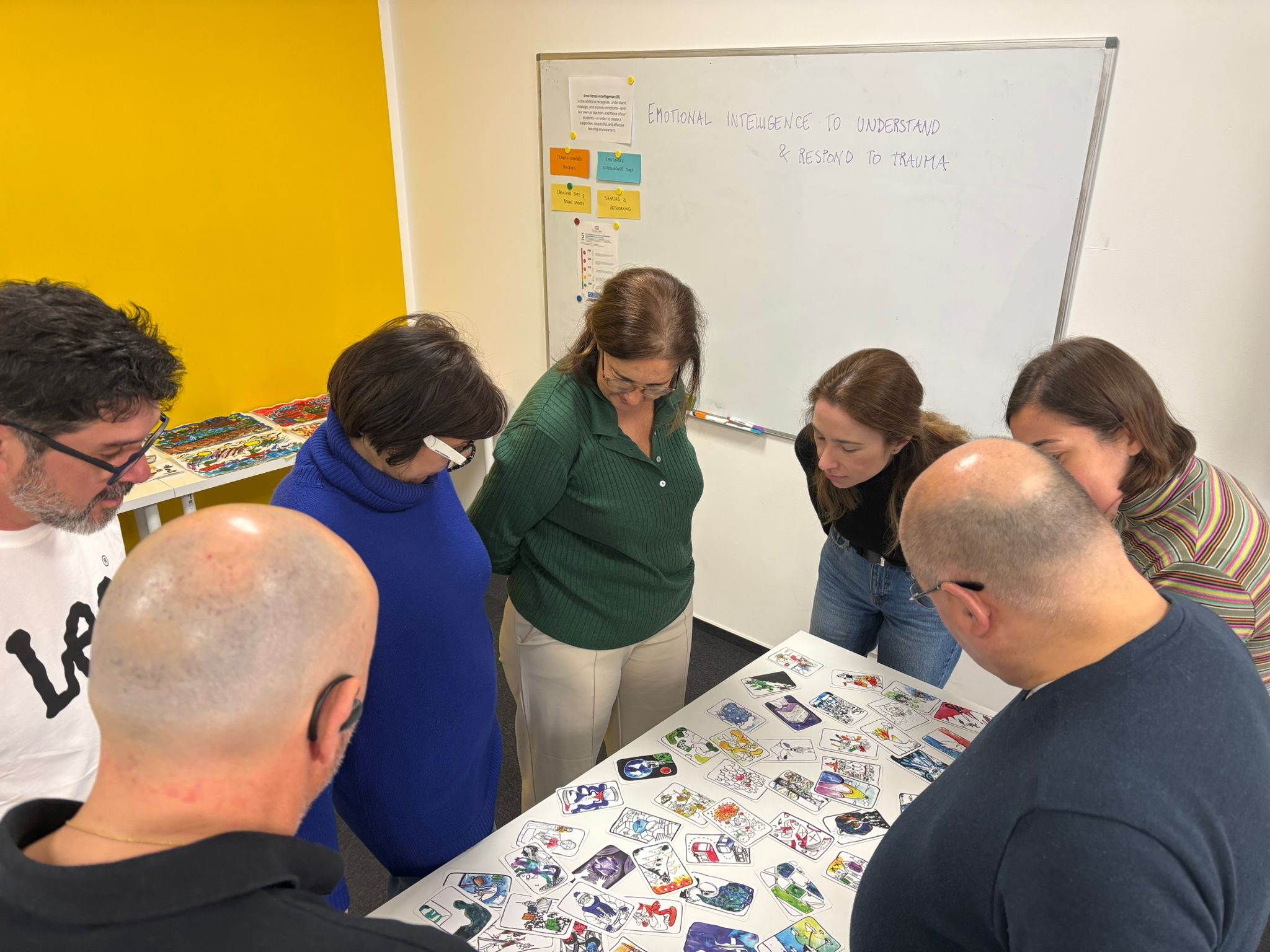
We even created our own pack of cards, contact us through the form below to order, or come buy them to our office!


From Tool to Teammate: Rethinking How You Use AI

Why your AI tool keeps giving you generic answers and the simple shift that fixes it.

We've all been there: you open your AI tool, type out a task, and the answer that comes back is... fine. Generic. Not quite what you needed. So you try again, a little more annoyed this time, maybe in all caps. The tool feels broken.

The problem is…probably not the AI. It's us. A study conducted at Microsoft revealed that one of the biggest reasons people get unhelpful answers isn't the AI's limitations, but rather that we rarely give it enough context to understand what we actually need.

Imagine hiring a new assistant who knows nothing about your job, your students, or how you like to work. You hand them a task with zero context, then get frustrated when they can't read your mind. That's exactly how most people use AI. All expectation, but no introduction.

Not a Vending Machine

AI does not behave like your standard technology. You can't ask a printer to teach you how to use a printer, or a coffee machine to teach you how to use a coffee machine. But you can ask an AI to teach you how to use AI, which is something most people don't realize.

Start the Conversation

You wouldn't hand a new colleague a vague task and walk away. You'd explain what you need, how you like things done, and what actually matters to you. AI works the same way, It just needs you to open the conversation first, and then let the AI ask you some questions in return. A simple "What's the best way to work with you?" or "What do you need to know about me to do this well?" can go a long way. For something more thorough, have it prepare a list of questions for you, then answer them one by one. The more context you give, the less generic the output should become.

Less Instruction, More Dialogue

From what we have all seen in our classrooms, asking and listening gets you further than giving orders. The same applies here. If AI is going to actually help you, it needs to know you first. Our workflow, your preferences, or the tasks causing you the most pain. With both humans and AI agents, the truth is that more dialogue usually brings better results.