3 Boardgames I Use in the Classroom
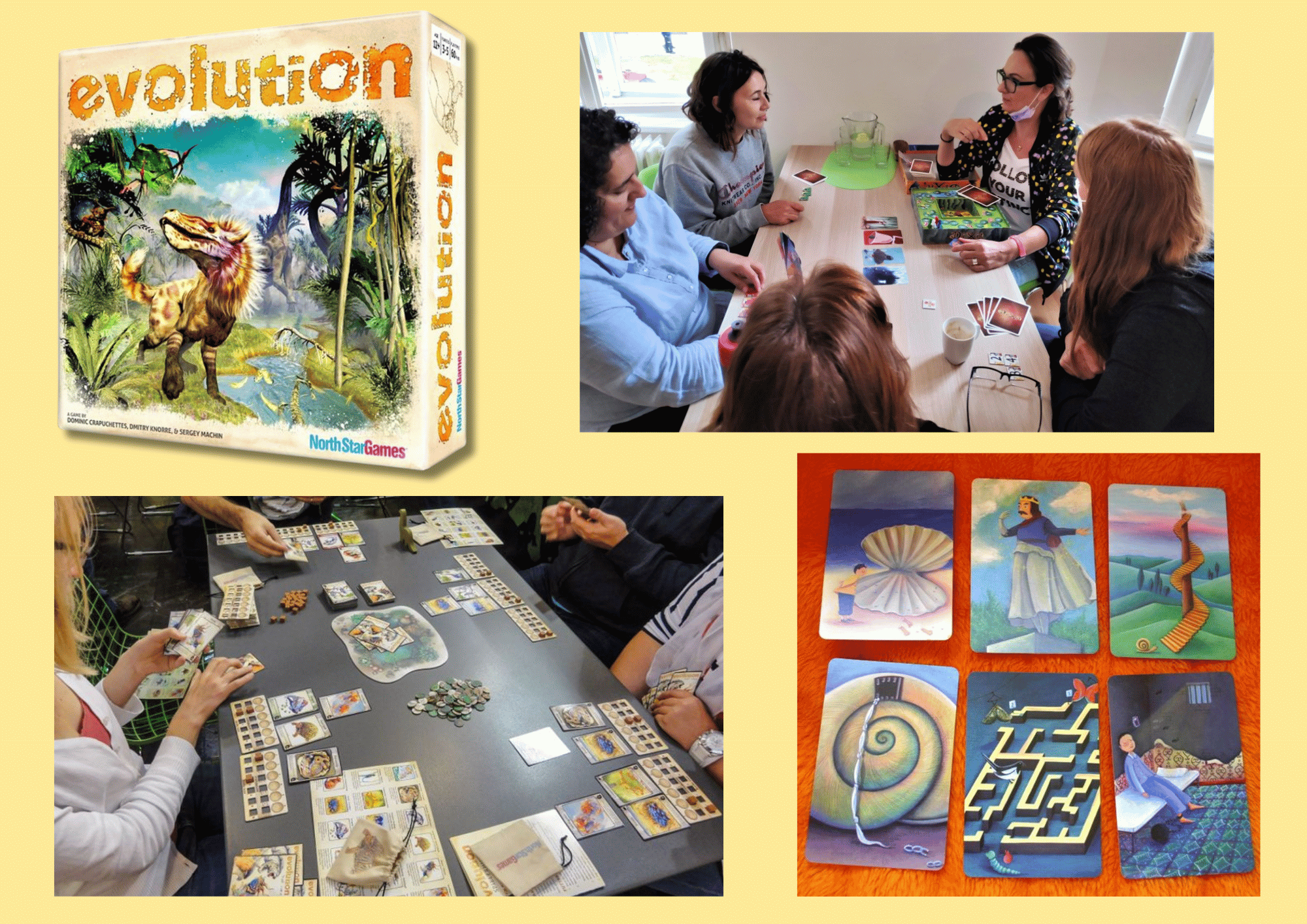
While educational games are designed with a clear educational purpose in mind, they suffer from a couple of issues: 1) they are usually low-budget compared to commercial games (because, sadly, education suffers from budget restrictions even in the luckiest cases); and 2) sometimes they are, well… boring not so engaging! Maybe because their learning objectives are a little bit too obvious, on the nose, or because they were not created following a clear game design approach. What I am trying to say is, if we want to keep our people (players, students, learners) engaged, FUN should always come first.
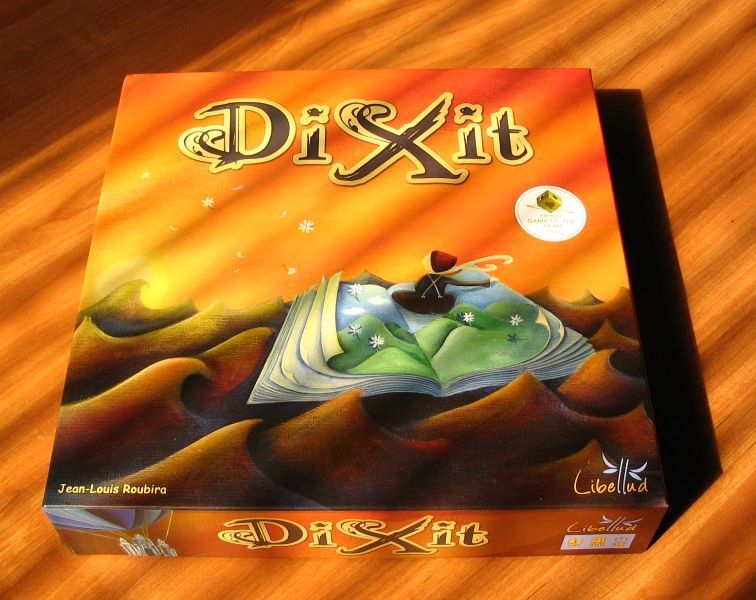
Dixit (2008)
by Libellud
players: 3-6 but also more
time: 30 min
age: 8+
complexity: easy
gameplay: storytelling, simultaneous action, competitive, voting, clues
topics: art, humor, semiotics, communication, memory and interpretation
EVERYBODY loves this game. Literally everybody. And it’s a testament of its fantastic design, a masterpiece balance of so many of the ingredients we love in games: inspiring, dreamy artwork; easy and captivating mechanics; a social experience that can be hilarious, thrilling and an opportunity to shift from easy to deeper topics in a heartbeat.
At the heart of the game is the ability to tell stories: the fundamental human ability to see patterns and connections that are not immediately visible, and to draw other people into our own imaginary worlds. It’s fast to learn and guarantees virtually endless repetitions, and it can be so immersive, many don’t really play it to win, but more for the pure fun it offers. Used as an educational experience, it’s a workshop for wordsmiths, and an opportunity to exercise social deduction, creativity, abstract thinking and interpretation.
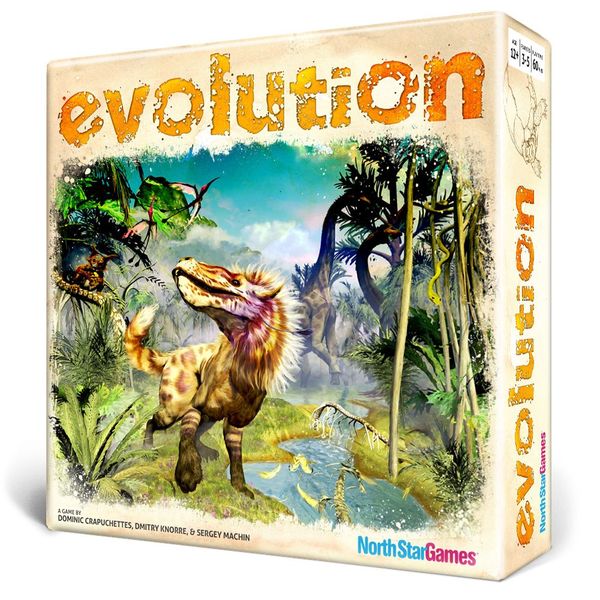
Evolution (2014)
by North Star Games
players: 2-6
time: 60 min
age: 12+
complexity: intermediate
gameplay: strategic, competitive, card-based, limited resources
topics: biology, science education, nature, ecosystems, systems thinking
I really love this little gem because it describes dynamically how ecosystems are formed and evolve over the course of time. And yes, because it’s about dinosaurs (even if it doesn’t say so). Players compete for scarce resources (mainly: food) as they control a bunch of “creatures” just out of the primordial soup. The way these creatures evolve will depend on a number of factors, as they create complex and delicate interconnections and food becomes more or less abundant. Some will choose to develop huge and aggressive carnivores (think: a T-Rex with the largest mouth you can think of), others will prefer placid herbivores who rely on factors like hard shells or numerous packs for their survival. And what about generating an intelligent omnivore who can climb trees and use tools? The fun thing is, these abilities can be acquired or lost, once they become useless. It’s dynamic, and players get to represent millions of years of evolution during the span of one game.
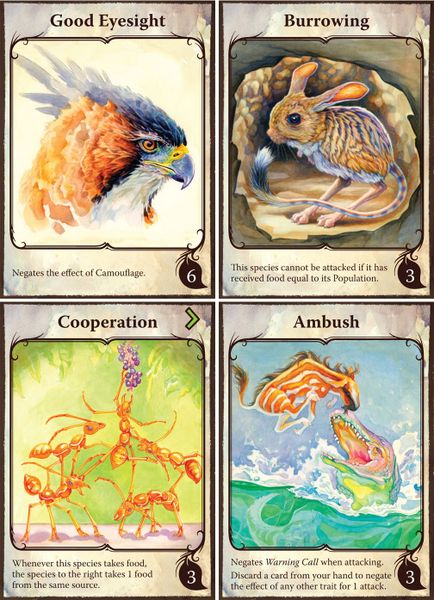
In my experience, not everybody likes this game because it’s not exactly immediate to play. Allow yourselves half an hour to familiarize with the rules, or make sure somebody is there to give a fast and effective introduction. But thanks to its elegant mechanics, meaningful gameplay and evocative artwork, once this experience kicks off, it can really suck people in.
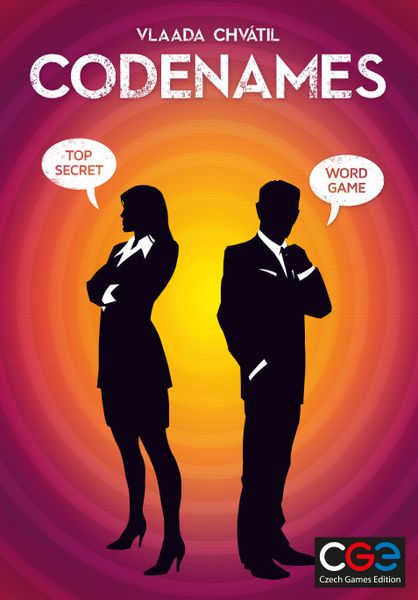
Codenames (2015)
by Czech Games Edition
players: 2-8
time: 15 min
age: 14+
complexity: easy
gameplay: team-based, wordgame, deduction, communication
topics: communication, language, strategy
Codenames is a more recent game that became an instant classic. It’s essentially an easy party game where players have to guess words, based on a few cryptic hints given by their team mates.
This is it, it’s incredibly easy, a full game lasts no more than 15 minutes, and you will want to play another one right away. The team element makes it fun and there are enough cards to make sure you will not run out of ideas so soon.
One great aspect of this game is that it’s so immediate, nobody will ever hate you for bringing it to a party. It’s great to practice strategic thinking, team communication and language skills (it’s translated in many languages). A family-friendly, almost-casual party game that can also offer deeper experiences to those who look for a more mature challenge.
Carmine Rodi, Director of Vice Versa Academy, Prague