From Tool to Teammate: Rethinking How You Use AI
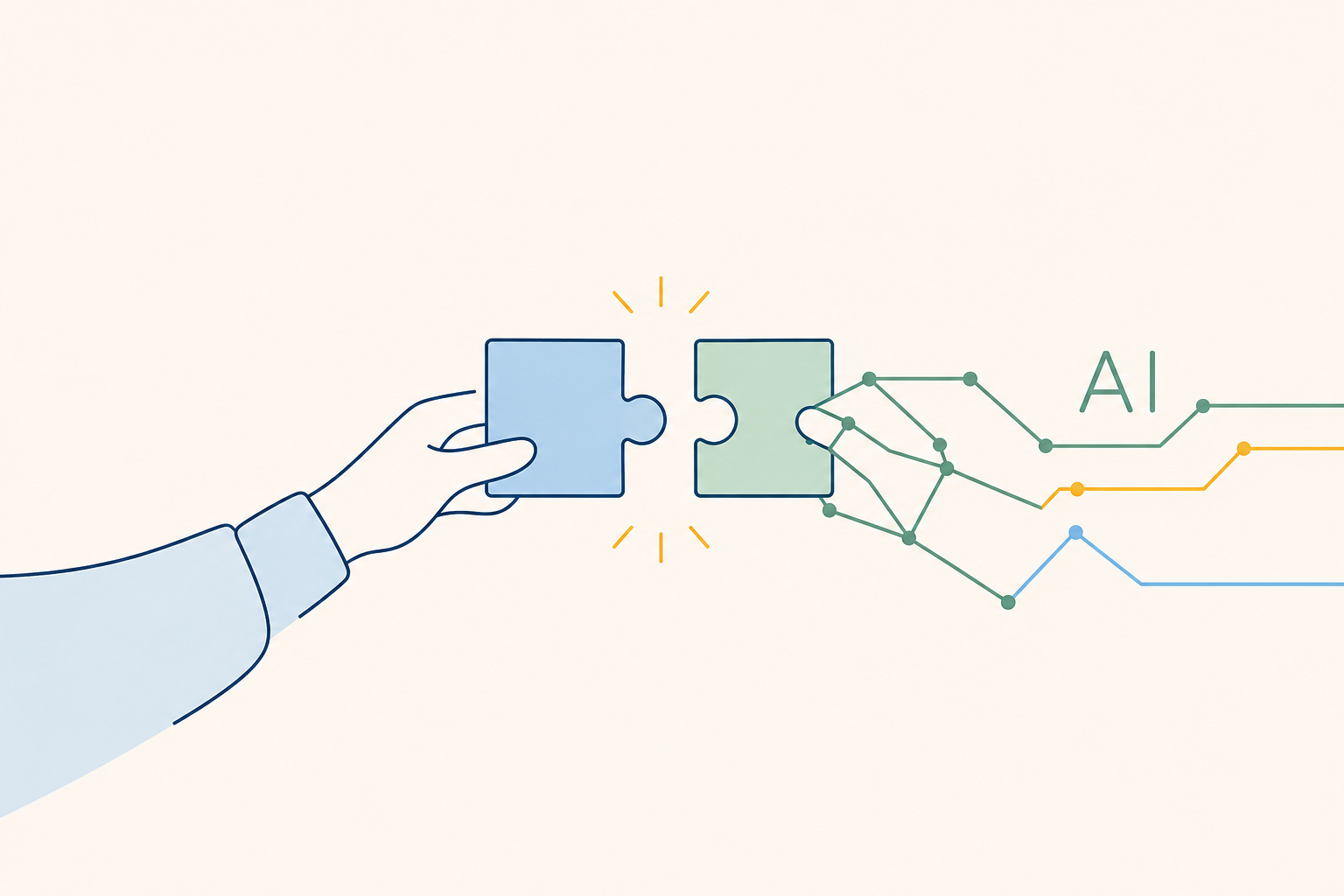
We've all been there: you open your AI tool, type out a task, and the answer that comes back is... fine. Generic. Not quite what you needed. So you try again, a little more annoyed this time, maybe in all caps. The tool feels broken.
The problem is…probably not the AI. It's us. A study conducted at Microsoft revealed that one of the biggest reasons people get unhelpful answers isn't the AI's limitations, but rather that we rarely give it enough context to understand what we actually need.
Imagine hiring a new assistant who knows nothing about your job, your students, or how you like to work. You hand them a task with zero context, then get frustrated when they can't read your mind. That's exactly how most people use AI. All expectation, but no introduction.
Not a Vending Machine
AI does not behave like your standard technology. You can't ask a printer to teach you how to use a printer, or a coffee machine to teach you how to use a coffee machine. But you can ask an AI to teach you how to use AI, which is something most people don't realize.
Start the Conversation
You wouldn't hand a new colleague a vague task and walk away. You'd explain what you need, how you like things done, and what actually matters to you. AI works the same way, It just needs you to open the conversation first, and then let the AI ask you some questions in return. A simple "What's the best way to work with you?" or "What do you need to know about me to do this well?" can go a long way. For something more thorough, have it prepare a list of questions for you, then answer them one by one. The more context you give, the less generic the output should become.
Less Instruction, More Dialogue
From what we have all seen in our classrooms, asking and listening gets you further than giving orders. The same applies here. If AI is going to actually help you, it needs to know you first. Our workflow, your preferences, or the tasks causing you the most pain. With both humans and AI agents, the truth is that more dialogue usually brings better results.