Outdoor Learning in Autumn: 5 Easy Activities for Teachers
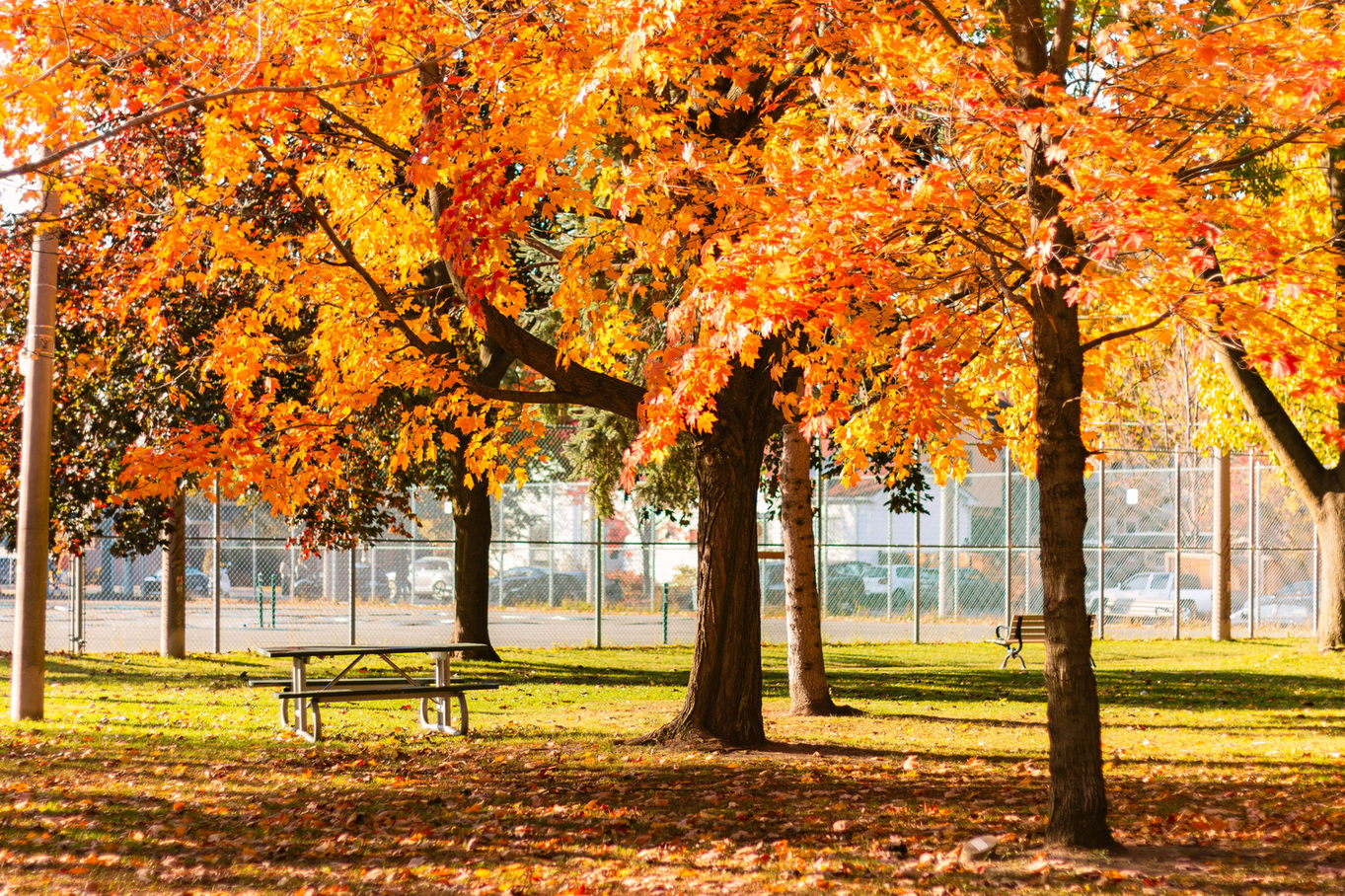
A sunny October week is easily one of the finest teaching resources you will get all year, but unfortunately it comes with an expiry date. So go outside while you still can.
Leaving the classroom pays off quickly. A change of scene wakes up the brain; students who have spent hours in the same chair start to move, to notice, to talk. Fresh air lifts the mood of the whole room, yours included. A lesson that happens under a chestnut tree tends to stay in the memory long after the worksheet has been forgotten.
Here are five activities from five different subjects, all easy to try this month with almost no preparation.
Maths: Leaf Data Lab (ages 9 to 13)
Send your class into the schoolyard with one simple mission: bring back twenty leaves each. Then the real work begins. Students measure the length and width of every leaf, sort their haul by colour and turn the results into bar charts. Who found the biggest leaf? What is the average size? What about the median and the range? Older students can go further and compare the ratio of length to width across different tree species. Suddenly statistics has a colour, a texture and a satisfying crunch, and the numbers truly belong to the students, because they gathered every one of them.
Literature: Five Senses Poetry Walk (ages 11 to 15)
Take a ten minute walk, notebooks in hand. Each student writes down one thing they can see, one they can hear, one they can smell, one they can touch and, if they are brave, one they can taste. Crunching leaves. Woodsmoke drifting from a chimney. Cold metal on the school gate. Back in the classroom, those scribbled notes become a haiku, a descriptive paragraph or a found poem, whichever fits your curriculum best. Even your most reluctant writers will have something concrete to begin with. With older groups, have them compare their work with an autumn poem from your national literature and ask a simple question: whose images feel fresher?
History: Interview the Past (ages 13 to 18)
Some of the richest historical sources in your town are sitting on park benches, feeding the pigeons. Ask students to interview a grandparent, an older neighbour or a local senior about the autumns of their childhood. What was school like? What did families eat in October? Which traditions have quietly disappeared? In Central and Eastern Europe, many older people remember life under a very different political system, which makes these conversations especially rich. Back in class, students share short quotes and compare them with the textbook. Where do the stories agree? Where do they clash, and why? Along the way, students learn to treat memory as a primary source, to question it and to place it in context.
Physics: Shadow Tracking (ages 13 to 17)
Push a stick into the ground and mark the tip of its shadow. Come back at exactly the same time next week and mark it again. By the end of October, students will have a row of marks creeping steadily away from the stick, and a puzzle to solve: why are the shadows growing longer? Plotting the data leads naturally to the lower angle of the Sun and the tilt of the Earth. Few things make an abstract idea feel as real as watching it unfold on the school playground.
Foreign Languages: Running Dictation (ages 10 to 18)
Pin a short autumn text, adapted to your students' level, to a tree at the far end of the yard. Put students in pairs. One runs to the tree, reads a chunk, memorises it, sprints back and dictates it to a partner, who writes it down. Then they swap roles. The first pair to produce an accurate copy wins. Within fifteen minutes, reading, speaking, listening, writing and memory have all had a workout, and so have their legs. Expect noise. Expect laughter. Expect them to beg for it again next week, especially those who never seem to get excited about anything.
Making It Work
A little planning keeps outdoor lessons calm and focused. Agree on boundaries and a recall signal before anyone steps through the door. Give every student a job, whether that means measuring, recording or keeping time, so nobody drifts off to inspect a beetle. Just like in a regular lesson, as long as students have a task that is engaging, challenging and achievable, they will try their best to complete it. Keep the outdoor part short; fifteen or twenty minutes is usually plenty. And have a rain plan ready, because this is Europe and October has its moods. Luckily, most of these activities work just as well through a window or with materials brought inside.
Join an Old European Habit
Across Europe, autumn has always been a season of gathering. The French and the Italians bring in the grapes. The Portuguese roast chestnuts for Magusto. Children in Germany and the Netherlands carry lanterns for St. Martin's Day on 11 November, while Czechs wait for Martin to ride in on his white horse and bring the first snow. Your classroom can be part of that long tradition. Pick one activity, check the forecast and head outside this week. Which one will you try first?